Prioritize HIT2 gems that directly support the content you play most, then upgrade only when the gain is worth the replacement and material risk. For many players, a flexible gem with reliable value is safer than forcing resources into a highly specialized option too early.
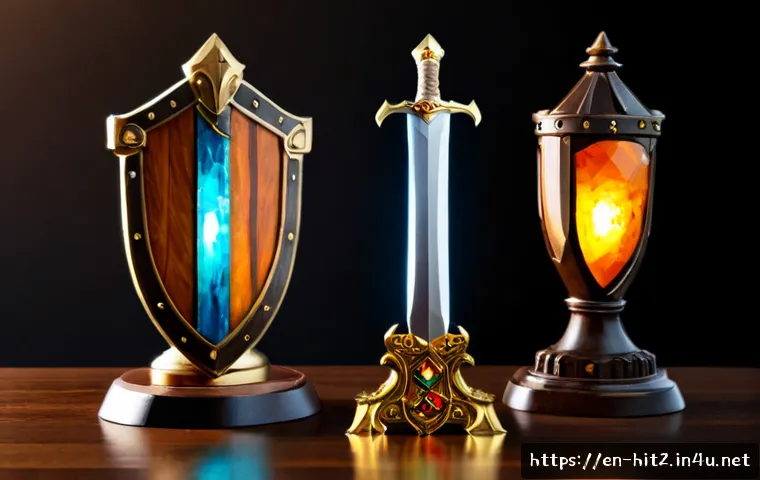
The best choice depends on whether you focus on farming, bosses, PvP, or a balanced progression path. Before using premium currency or tradable materials, compare the gem’s expected benefit with a guaranteed upgrade from gear, skills, or another system.
Market listings and optional in-game purchases can look attractive during events, but their value can change quickly. Check the current tooltip and applicable rules first.
A simple role-and-cost framework prevents most costly gem mistakes.
At a Glance
- Match gems to your main activity: farming, boss encounters, PvP, or broad progression.
- Check replacement risk before upgrading: a temporary or mismatched gem is rarely the best material target.
- Compare uncertain upgrades with guaranteed progression: gear or skill improvements may be the safer use of premium resources.
| Decision Goal | Best Starting Direction | Main Risk to Check |
|---|---|---|
| Best immediate gain | A gem stat that improves the content you run right now | Buying or upgrading something that will soon be replaced |
| Best long-term value | Flexible stats useful across several activities | Ignoring account-bound status or transfer limits |
| Highest upgrade risk | High-cost upgrades with unclear success, loss, or restoration conditions | Spending all materials without a limit |
| Best for budget players | Reliable, lower-risk gems that fit a general build | Chasing event hype or short-term marketplace spikes |
The Fast Answer: Prioritize Gems That Match Your Main Content
The right HIT2 gem is not automatically the one with the highest-looking tier or the most expensive marketplace listing. It is the one that gives useful value in the content you actually play. A farming-focused character may value steady clear speed and sustain, while a PvP-focused build may need durability or resistance-oriented choices instead.
Choose a Role First: Farming, Bosses, PvP, or Balanced Progression
Start by naming your primary activity. If most of your time goes into routine PvE, prioritize stats that support consistent combat rather than narrow matchup value. If you mainly prepare for bosses, look for benefits that contribute to focused damage or staying alive during demanding encounters. PvP players should consider survivability, control-related concerns, and the types of opponents they regularly face.
A balanced progression build is often the safest route for newer and returning players. Flexible gems may not be perfect for every situation, but they reduce the need to replace your setup whenever your goals change.
Upgrade Only After Checking the Stat Gain and Replacement Risk
Ask two questions before using upgrade materials: “Will this stat noticeably help my current build?” and “Could I replace this gem soon?” A modest upgrade on a long-term gem can be more sensible than a costly attempt on an item you only equipped temporarily.
Do not assume that a higher tier, a rarer appearance, or a strong market price automatically makes a gem right for your character. The current in-game tooltip should be your first reference for its actual stat effect, slot compatibility, and upgrade conditions.
Save Premium Resources When Gear or Skills Give Guaranteed Value
Gem upgrades can compete with gear, skills, and other character progression systems for the same limited resources. When an upgrade path has uncertain conditions, compare it with a guaranteed power improvement available elsewhere on your account. This is especially important before converting premium currency into upgrade materials or marketplace purchases.
How the Gem System Affects Your Character Build
Gems can influence a build through their available slots, stat bonuses, tiers, and upgrade paths. However, exact names, numbers, slot rules, and availability can differ by HIT2 version, region, and update. Treat every recommendation as a framework, then verify the live details in your game client.
Gem Slots, Stat Bonuses, Tiers, and Upgrade Paths to Verify In-Game
Before making a purchase or committing materials, check whether the gem fits the intended slot and whether it can be moved, transferred, restored, traded, or listed. Also confirm current upgrade success conditions and any possible loss rules. These details affect the real cost far more than a gem’s headline stat alone.
Why the Same Gem Can Be Valuable for One Class and Inefficient for Another
A stat only has value when it supports your class, weapon setup, and combat role. One player may benefit from a particular offensive focus, while another may get more practical results from defense, utility, or sustain. Avoid copying a build without checking whether its playstyle and game mode match your own.
Separate Short-Term Combat Power From Long-Term Account Value
Short-term combat power answers, “Does this help me today?” Long-term account value asks, “Will this still be useful if I change activities, replace gear, or alter my build?” A specialized gem may be excellent for a current target, but a flexible option can protect your resources while your account is still developing.
Gem Comparison Framework: Value, Upgrade Cost, and Flexibility
Use a simple comparison method: evaluate the stat’s relevance, the resources needed to obtain or upgrade it, and the flexibility you retain afterward. This prevents emotional decisions driven by a limited-time event, a flashy listing, or pressure to keep up with other players.
Compare Offensive, Defensive, Utility, and Survivability-Focused Stats
Offensive stats are most useful when they improve your regular damage output in chosen content. Defensive and survivability stats matter when staying alive is the limiting factor. Utility-focused stats can be valuable when they make routine activities smoother or support a broader build. The best category depends on what currently stops your character from progressing.
Immediate Performance Versus Upgrade-Material Cost
Write down the material cost, any premium-currency cost, and what you are giving up by spending those resources now. Then compare that total with another upgrade that has a clear result. If the gem only offers a narrow benefit while consuming resources needed for a major guaranteed improvement, holding your materials may be the better choice.
Tradable Versus Account-Bound Value Where Applicable
If your version allows gems or materials to be traded, their marketplace value can add flexibility. If they are account-bound, your decision should focus more heavily on personal build value. Verify current marketplace rules before buying, selling, or assuming an item can later be recovered through resale.
Budget-Player and Premium-Spender Decision Criteria
Budget players should favor low-regret progression: broadly useful gems, manageable upgrade costs, and resources that do not lock the account into one narrow path. Players considering optional in-game purchases should still compare package contents, current event conditions, and alternative progression routes. Spending is not automatically efficient just because materials are immediately available.
A Safe Upgrade Process That Reduces Resource Waste
A safer process is less exciting than rushing an upgrade, but it protects both premium currency and tradable resources. Make the decision before you open the upgrade screen, not after you have already invested part of your supply.
Check Current Tooltips, Success Conditions, and Transfer Rules
Read the live tooltip carefully. Confirm the gem’s stat, its compatible slot, upgrade requirements, possible outcomes, and whether it can be transferred or restored. Exact success rates, destruction rules, and transfer options should not be assumed, since they may vary across updates and regions.
Set a Spending Cap Before Attempting Uncertain Upgrades
Decide how many materials or how much premium currency you are willing to use before starting. A cap helps prevent the common mistake of spending more simply because an earlier attempt did not produce the desired result. If reaching your cap would weaken another important progression plan, wait.
Avoid Upgrading Temporary, Easily Replaced, or Mismatched Gems
Avoid heavy investment when a gem is temporary, poorly aligned with your role, or likely to be replaced by an accessible alternative. Duplicate investments can also create waste when two gems solve the same problem but leave a more important weakness uncovered.
Review Event Rewards and Market Prices Before Buying Materials
Limited-time events and player-market supply can change the perceived value of gems and upgrade materials. Check current notices and available rewards before purchasing. A material that appears urgent today may become easier to obtain later, while a marketplace price may reflect temporary demand rather than lasting value.
Gem Priorities by Playstyle
PvE Farming: Consistency, Speed, and Sustain
Farming builds should focus on stats that support repeated, reliable combat. The goal is not necessarily the largest theoretical damage number; it is a setup that works efficiently through normal gameplay without forcing excessive resource use. Favor gems that remain useful across your usual farming locations and routines.
Boss Content: Focused Damage and Survival Thresholds
Boss-focused players should balance damage with the ability to stay active in the encounter. A specialized offensive option can be useful if survival is already stable. If your character repeatedly falls short defensively, however, a survivability-oriented gem may create more real progress than a narrow damage increase.
PvP: Durability, Control Resistance, and Matchup-Aware Choices
PvP value is often more dependent on matchup, class setup, and current game conditions than routine PvE value. Choose gems that support your actual role rather than assuming a popular PvP choice is universally correct. Check how a gem performs against the opponents and control effects you encounter most often.
New or Returning Players: Flexible Gems Before Specialized Investments
New and returning players benefit from options that stay useful while gear, skills, and preferred content are still changing. A flexible gem can reduce replacement costs and make future decisions easier. Save highly specialized investments until you understand which activities will remain central to your progression.
Selection Criteria and Comparison Summary
Before you buy, upgrade, hold, or sell, use this short checklist:
- Does the gem support my main content and current class setup?
- Is the stat useful now, and will it remain useful after likely gear changes?
- Have I checked the current tooltip, upgrade conditions, and transfer or marketplace rules?
- Does this cost more than my next guaranteed upgrade in gear, skills, or another system?
- Am I buying because of clear build value, or because of temporary event pressure?
Compare your upgrade cost against the next guaranteed power upgrade first. If you are considering optional in-game spending or a marketplace purchase, review the item details, current event terms, and listing conditions on the relevant in-game page before committing resources.
In Closing
Strong HIT2 gem builds begin with a clear purpose, not with the most aggressive upgrade attempt. Choose stats that serve your main activity, protect resources from short-lived choices, and keep enough flexibility for future changes. Verify live game information whenever an update, event, or regional difference could affect your decision. A patient upgrade plan is usually easier to maintain than an expensive rebuild.
Useful Things to Know
Marketplace values can change with supply, demand, and limited-time events. A gem’s usefulness can vary by class, weapon configuration, and game mode. Account-bound items should be judged differently from items that can potentially be traded. Current tooltips and official event notices are the most reliable source for live conditions.
Important Notes
Exact gem names, stat values, tier rules, upgrade rates, destruction conditions, restoration options, and cash-shop pricing are not fixed in this guide. They may differ by HIT2 version, region, and update. Confirm current in-game information before spending premium currency, tradable materials, or upgrade resources.
Frequently Asked Questions
Q1. Which HIT2 gems should beginners prioritize first?
A1. Beginners should generally start with flexible gems that support their most common PvE activity or broad character progression. Avoid committing heavily to narrow PvP or boss-only choices until you know which content you will play most often and have checked the current gem rules.
Q2. Is it better to upgrade a lower-tier gem now or save resources for a higher-tier option?
A2. It depends on whether the lower-tier gem is a long-term fit and whether its upgrade produces useful progress immediately. Save resources when the gem is likely to be replaced soon, the upgrade conditions are uncertain, or a higher-value guaranteed upgrade is available elsewhere.
Q3. How can I tell whether buying gem materials with premium currency is worth it?
A3. Compare the purchase with your next guaranteed power gain from gear, skills, or another progression system. Then verify current material availability, event rewards, marketplace conditions, and the exact upgrade rules. Buy only when the gem supports your actual build goal and the cost does not disrupt more reliable progression.