Jumping into Hit 2 can feel overwhelming with its fast-paced action and deep mechanics, especially if you’re new to the game. Lately, the community buzz has been all about mastering early strategies to climb the ranks quickly and enjoy the full experience.
If you’ve been wondering how to avoid common pitfalls and make the most of your first hours, you’re in the right place. I’ve spent some serious time exploring the game’s nuances and discovered key tips that can save you countless headaches.
Whether you want to build a strong team or optimize your resource management, these insights will set you up for success from the get-go. Let’s dive into what every new player needs to know to start strong and stay ahead in Hit 2.
Understanding Your Character’s Strengths and Weaknesses
Identifying Your Playstyle Through Character Roles
Figuring out which character suits your gameplay can feel like a puzzle at first. Characters in Hit 2 often fall into categories such as damage dealers, tanks, or support.
From my own experience, trying out different roles early on helps you discover what clicks best for you. If you prefer aggressive, high-risk combat, damage dealers will be your go-to, but if you enjoy controlling the battlefield or protecting teammates, support and tank roles provide more strategic depth.
Don’t rush to max out one character right away; instead, experiment with a few to see where your comfort zone lies.
Leveraging Unique Skills to Maximize Combat Efficiency
Every character brings unique skills that can turn the tide of battle if used correctly. I noticed that players who master timing and combo chains tend to climb ranks faster.
It’s not just about spamming abilities but knowing when and how to activate them for maximum impact. For instance, some characters have crowd control abilities that can stun or slow enemies, giving your team a strategic advantage.
Learning these nuances can be a game-changer in both PvE and PvP modes.
Balancing Your Team Composition for Versatility
Assembling a well-rounded team is more than just picking your favorite heroes. A balanced team typically includes a mix of damage output, survivability, and healing or buffs.
When I started prioritizing team synergy over individual character strength, my success rate improved significantly. It’s also important to consider elemental affinities and how they interact during battles.
Building a diverse team ensures you’re prepared for various challenges and enemy types.
Smart Resource Management for Long-Term Growth
Prioritizing Resource Allocation to Avoid Early Pitfalls
In Hit 2, resources like gold, crystals, and skill points are limited, especially in the early stages. I learned the hard way that spending resources impulsively on flashy upgrades can leave you stuck later.
It’s essential to prioritize upgrades that offer the most bang for your buck, such as leveling up your main team members or unlocking key abilities. Avoid the temptation to chase every new character or item immediately—focus on steady growth instead.
Utilizing Daily Quests and Events Efficiently
Daily quests and events are goldmines for resources if you play them smartly. Completing these consistently not only boosts your inventory but also grants rare materials that are otherwise hard to find.
I recommend setting aside dedicated playtime for these activities since they often have time limits. Some events rotate frequently, so staying updated helps you plan which ones to prioritize for maximum rewards.
Understanding the Importance of Inventory Space Management
Inventory clutter can sneak up on you quickly, especially if you hoard every loot drop. I found that regularly cleaning out unnecessary items and selling duplicates frees up space and improves your resource flow.
Some players overlook this, leading to wasted storage and missed opportunities for collecting valuable gear. Make it a habit to organize your inventory weekly to keep things efficient.
Mastering Combat Mechanics and Timing
Perfecting Your Dodging and Blocking Skills
Hit 2’s combat demands sharp reflexes and timing. One of the first skills I honed was dodging enemy attacks rather than relying solely on defense. Learning when to dodge or block can significantly reduce damage taken and extend your survival in battles.
Early on, practicing against easier enemies helped me build muscle memory for timing these moves flawlessly.
Combining Abilities for Devastating Combos
Chaining abilities is where the game really shines, and it’s something I got hooked on quickly. Figuring out which skills combo well together requires trial and error but is incredibly rewarding.
For example, starting with a crowd control skill followed by a heavy damage attack can wipe out multiple enemies in seconds. Watching high-rank players execute combos gave me ideas to experiment with my own team.
Adjusting Strategies Based on Enemy Types
Not all enemies are created equal, and adapting your approach is key. Some foes are heavily armored and require sustained damage, while others are fast and need quick crowd control.
I found that scouting enemy weaknesses before fights and switching out characters accordingly made encounters much smoother. This kind of flexibility separates casual players from those climbing the leaderboard.
Optimizing Gear and Equipment Upgrades
Focusing on Core Stats That Enhance Your Playstyle
When upgrading gear, it’s tempting to chase the highest-level items, but that’s not always the smartest move. I learned that focusing on core stats—like critical hit rate for damage dealers or defense for tanks—yields better performance.
Understanding what each stat does and matching it to your character’s role made a noticeable difference in battle outcomes.
Knowing When to Upgrade Versus Save Materials
Upgrading gear consumes valuable materials, so timing your upgrades is crucial. Early on, I often wasted resources upgrading gear that became obsolete quickly.
Instead, it’s better to save materials for higher-tier equipment or special items that provide lasting benefits. Patience pays off, especially since some upgrades have diminishing returns at lower levels.
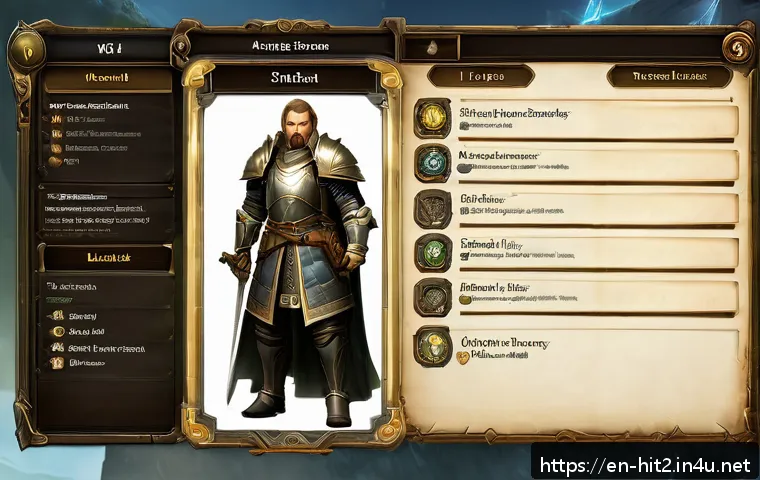
Enhancing Gear Through Crafting and Enchantments
Crafting and enchanting add another layer of customization that can boost your team’s power. I found that prioritizing enchantments that complement your characters’ strengths leads to more consistent victories.
Additionally, crafting allows you to tailor gear attributes rather than relying on random drops, giving you more control over your build.
Building Strong Alliances and Social Connections
Joining Active Guilds for Support and Rewards
One of the best ways to accelerate progress is by joining an active guild. From my experience, guilds not only offer social camaraderie but also provide access to exclusive events and rewards.
Being part of a community means you can ask for advice, trade resources, and participate in coordinated battles that are tough to tackle solo.
Participating in Guild Events for Extra Perks
Guild events often come with lucrative rewards that can give you an edge. I made it a point to contribute regularly to guild activities, which helped me rack up resources faster than grinding alone.
These events also encourage teamwork and strategy, adding a fun dimension to the game beyond solo play.
Communicating Effectively with Teammates
Good communication can turn a good team into a great one. Whether you’re coordinating attacks or sharing tips, clear and timely communication boosts your chances of success.
I usually rely on in-game chat or external apps to stay connected with guild members, and it’s been invaluable during intense battles.
Efficient Progression Through Campaign and Side Missions
Focusing on Campaign Missions to Unlock Key Features
Campaign missions are your roadmap to unlocking new characters, gear, and game modes. Early in my playthrough, I prioritized completing these missions to open up the full range of content.
They also provide steady experience and resources, making them a reliable grind spot.
Using Side Missions to Supplement Resource Gains
Side missions might seem optional, but they’re great for supplementing your resource intake. I found that tackling these whenever I had downtime helped me gather extra gold and materials without feeling like a chore.
Plus, they offer variety and break up the monotony of main quest grinding.
Balancing Main and Side Quests for Optimal Growth
Balancing your time between main campaigns and side quests is crucial. Focusing solely on one can leave gaps in your development. I recommend a mixed approach—push through main missions to unlock features while dipping into side quests for additional rewards and experience.
This strategy keeps progression steady and engaging.
| Aspect | Early Game Priority | Why It Matters | Tips |
|---|---|---|---|
| Character Roles | Experiment with different roles | Discover your preferred playstyle | Try damage, tank, and support before specializing |
| Resource Management | Prioritize essential upgrades | Avoid resource wastage | Focus on main team and key abilities |
| Combat Skills | Practice dodging and combos | Increase survivability and damage output | Learn enemy patterns and timing |
| Gear Upgrades | Enhance core stats | Boost character effectiveness | Save materials for high-tier gear |
| Guild Participation | Join active guilds | Access exclusive rewards and support | Engage in guild events regularly |
| Mission Focus | Balance campaign and side quests | Unlock content and gather resources | Alternate to keep progression smooth |
Conclusion
Mastering your character’s strengths, managing resources wisely, and building a strong team are key to excelling in Hit 2. By experimenting with different roles and strategies, you can find what suits your playstyle best. Consistent practice and smart decision-making will make your gameplay more enjoyable and rewarding. Remember, patience and adaptability are just as important as skill in climbing the ranks.
Helpful Tips
1. Experiment with various character roles early to discover your preferred playstyle and avoid rushing into specialization.
2. Prioritize essential upgrades and resource allocation to ensure steady and sustainable growth in the game.
3. Practice dodging, blocking, and combining skills to improve your combat efficiency and survivability.
4. Focus on upgrading gear that enhances your core stats and save valuable materials for higher-tier equipment.
5. Join active guilds and participate in events to gain exclusive rewards, support, and valuable social connections.
Key Takeaways
Understanding your playstyle and balancing your team composition lay the foundation for success. Smart resource management prevents early setbacks and maximizes long-term progress. Developing combat mechanics like timing and combos increases effectiveness in battles. Gear optimization tailored to your character’s role enhances performance, while active involvement in guilds and events accelerates growth. Finally, balancing main missions and side quests keeps your journey engaging and rewarding.
Frequently Asked Questions (FAQ) 📖
Q: What’s the best way to build a strong team early in Hit 2?
A: When starting out, focus on assembling a balanced team that covers multiple roles—damage dealers, tanks, and support. Prioritize heroes who synergize well and have complementary skills.
From my experience, investing in characters with crowd control and healing abilities early on makes challenging battles much more manageable. Also, don’t hesitate to experiment with different lineups to find what fits your playstyle best.
Upgrading a few reliable heroes rather than spreading resources thin is key to climbing ranks faster.
Q: How can I effectively manage resources without feeling overwhelmed?
A: Resource management can be tricky at first, but setting priorities helps a lot. Concentrate on upgrading your core heroes and essential gear instead of trying to max everything out immediately.
Daily missions and events often provide valuable rewards, so make sure to complete them consistently. I found that saving premium currency for special summons or important upgrades rather than impulsive spending makes a huge difference.
Keeping an eye on cooldowns and timing your resource usage strategically will keep your progression steady and stress-free.
Q: What common mistakes should new players avoid in their first hours?
A: One of the biggest pitfalls is rushing through the content without learning the game’s mechanics and character abilities properly. I’ve seen many players waste resources on heroes or items that don’t fit their team composition or playstyle.
Another mistake is neglecting to participate in daily events and challenges, which offer crucial rewards for early growth. Lastly, don’t ignore upgrading your gear alongside your heroes; sometimes, a well-geared character outperforms a higher-level one without proper equipment.
Taking your time and focusing on steady improvement will save you a lot of frustration down the road.