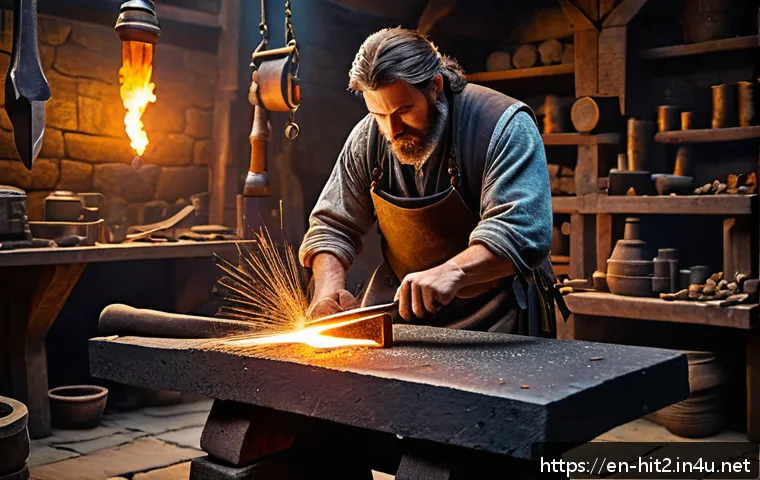
If you’ve been diving into Hit 2 lately, you’ve probably noticed the buzz around legendary weapons and their game-changing potential. Crafting these powerful tools isn’t just about luck—it’s all about knowing the right materials and where to find them.
With recent updates shaking up the crafting system, mastering this guide will give you a serious edge. I’ve spent hours experimenting, and trust me, unlocking those legendary weapons is way more satisfying when you know exactly what you need.
Ready to level up your gear and dominate? Let’s break down the ultimate crafting materials you can’t afford to miss.
Unlocking the Core Components Behind Legendary Weapons
Essential Ore Types and Their Locations
When you’re out hunting for materials, the type of ore you gather makes all the difference in crafting legendary gear. From rare crystalline ore to molten core fragments, each has unique properties that contribute to the weapon’s power.
What I’ve noticed from my runs is that these ores don’t just spawn randomly—they tend to cluster in specific regions, especially in high-level zones where the challenge ramps up.
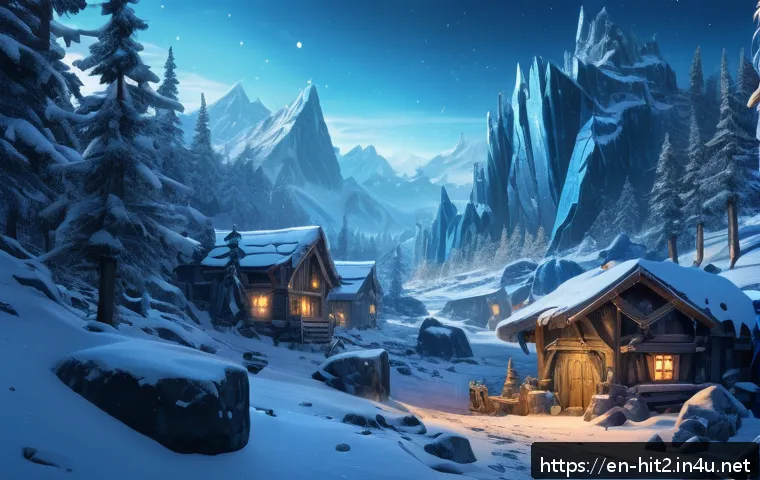
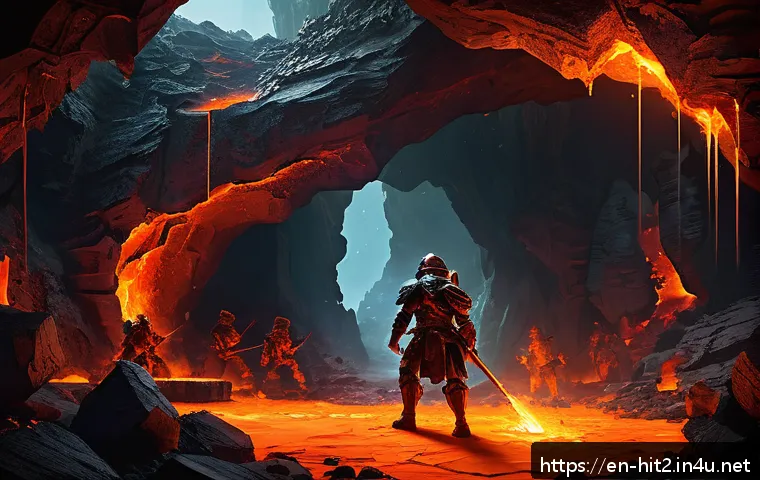
For example, crystalline ore is abundant near the Frostfall Ridge, while molten core fragments require venturing deep into the Ember Caverns. Prioritizing these spots can save you hours of aimless grinding.
Harnessing Elemental Essences for Enhanced Attributes
Elemental essences are the secret sauce that infuses your weapons with elemental damage and special effects. Fire, ice, lightning—you name it. Collecting these essences involves battling elemental beasts or completing elemental-themed dungeons.
From my experience, it’s worth forming a party with players who specialize in these dungeons to speed up farming. Don’t underestimate the power these essences add; a weapon with a well-balanced essence can turn the tide in PvP and PvE alike.
Rare Crafting Fragments and How to Obtain Them
Crafting fragments are the rarest ingredients and often require multiple steps to acquire. You might need to dismantle high-tier gear or complete specific quests that reward these fragments.
I found that the weekly challenge missions are a reliable source, especially if you’re consistent. The fragments are not just for crafting but also for upgrading legendary weapons, making them a priority once you start your crafting journey.
Optimizing Your Gathering Routes for Maximum Efficiency
Mapping Out Resource Hotspots
Efficiency is key when farming for crafting materials. I’ve mapped out routes that hit multiple resource nodes in one go, which drastically reduces downtime.
For example, starting at the Crystal Mines, moving to the Ember Caverns, and finishing at the Thunder Plains covers most essential ores and essences in a single run.
Planning your route this way means you spend less time running back and forth, and more time stacking up those valuable components.
Timing and Respawn Mechanics
Understanding how and when materials respawn can give you an edge. Some ores respawn every 30 minutes, while others might take hours. From tracking these times, I schedule my farming sessions accordingly.
Early morning or late-night runs often find fewer players competing for the same spots, which means cleaner and faster farming. Also, keep an eye on in-game events that temporarily boost drop rates—it’s the perfect window to stockpile.
Using Tools and Boosters to Speed Up Farming
Don’t overlook consumables and tools that can enhance your gathering speed. Items like the Miner’s Pickaxe or Essence Detector significantly increase yield or highlight rare nodes.
From personal use, combining these tools with a speed booster potion can cut your farming time in half. If you’re serious about crafting, investing in these consumables is a no-brainer.
Mastering the Art of Material Refinement and Enhancement
Refining Basics: Turning Raw Materials into Crafting Gold
Raw materials are just the starting point. Refining transforms them into higher-quality components essential for legendary weapons. The process requires specific refining stations and often costs in-game currency, so it’s important to refine strategically.
I usually hold off refining until I have a batch of materials to maximize efficiency and reduce repeated trips. The difference in quality after refining is noticeable, especially when crafting weapons with high damage output.
Enhancement Techniques to Boost Material Quality
Beyond refining, enhancement techniques such as infusion or tempering can further improve material stats. These require special catalysts or rare items, often rewarded through boss fights or special events.
From experimenting with these, I realized that enhancing materials before crafting significantly increases the final weapon’s stats. This step is crucial for players aiming for top-tier builds.
Balancing Cost and Benefit in Refinement
One mistake I see often is overspending on refinement without considering the cost-benefit ratio. Some materials don’t justify full refinement if you’re on a budget.
I recommend testing out lower-tier refinements initially and upgrading as you accumulate more resources. This approach helps manage your in-game economy while still progressing steadily toward legendary crafting.
Decoding the Crafting Recipes: What You Need to Know
Breaking Down Complex Recipes Step-by-Step
Legendary weapon recipes can look intimidating at first glance, but breaking them down into smaller parts helps a lot. Each weapon usually requires a combination of base materials, refined components, and enhancement catalysts.
I like to create checklists for each step, which keeps me organized and reduces errors during crafting. This way, I avoid wasting precious materials on failed attempts.
Substituting Materials Without Losing Quality
Sometimes, you might not have access to a specific material but still want to progress. Luckily, some recipes allow substitutions that don’t sacrifice weapon quality.
For instance, certain elemental essences can be swapped depending on your preferred damage type. I’ve tested these substitutions and found that they offer flexibility without compromising the weapon’s effectiveness.
Just be sure to check the recipe details carefully.
Tracking Recipe Updates and Patches
The crafting system is not static—updates frequently tweak recipes, materials, and crafting costs. Staying up to date is vital. I keep an eye on patch notes and community forums to catch changes early.
This vigilance has saved me from crafting obsolete versions of weapons or wasting materials on outdated recipes. Staying informed ensures your efforts are always relevant.
Strategies for Farming Elite Boss Materials
Identifying Bosses That Drop Key Components
Elite bosses are prime targets for rare crafting materials. Each boss has a unique loot table, so knowing which ones drop the items you need is crucial.
From my gameplay, bosses in the Shadow Realm and the Sky Fortress are among the best sources for legendary fragments and catalysts. Planning boss runs with a solid team maximizes your chances of acquiring these rare drops.
Maximizing Drop Rates with Team Composition
Certain team setups can influence drop rates or speed up boss kills. For example, having a dedicated support player to buff the team or a DPS who can exploit boss weaknesses makes runs smoother and faster.
In my group, coordinating roles and timing skills has led to more consistent loot drops, which is a game-changer when farming for legendary materials.
Repeatable Boss Runs and Their Limits
Most elite bosses have cooldowns or limits on how often you can farm them. Managing these timers is important to optimize your farming schedule. I use in-game reminders and calendar apps to track these cooldowns, ensuring I never miss a farming window.
This discipline helps maintain a steady flow of rare materials without burnout.
Understanding Market Dynamics for Crafting Materials
Monitoring Material Prices and Trends
If you’re into the market side of the game, keeping an eye on material prices can be lucrative. Prices fluctuate based on demand, events, and patch updates.
I regularly check the auction house and player trading forums to spot trends. Buying low and selling high or stocking up before events can boost your in-game wealth, which in turn funds your crafting projects.
Trading Tips for Acquiring Hard-to-Find Materials
Sometimes farming isn’t the best option, especially for extremely rare items. Trading with other players can save time. I’ve found that building a trustworthy network of traders and crafting guilds opens up opportunities for material swaps and deals.
Negotiating fair trades requires patience and knowledge of market values, but it pays off in the long run.
Risks and Rewards of Speculative Buying
Speculative buying—purchasing materials in anticipation of future demand—can be risky but rewarding. I once stocked up on molten core fragments before a crafting update, and the price skyrocketed afterward.
However, this requires careful market analysis and a bit of luck. If you decide to try this, only invest what you can afford to lose to avoid setbacks.
| Material | Primary Location | Acquisition Method | Use in Crafting | Notes |
|---|---|---|---|---|
| Crystalline Ore | Frostfall Ridge | Mining nodes | Base weapon frames | Clusters around icy cliffs |
| Molten Core Fragment | Ember Caverns | Mining and boss drops | Weapon cores and catalysts | Rare, respawns every 2 hours |
| Fire Essence | Flameheart Dungeon | Dungeon boss drops | Elemental infusion | Boosts fire damage |
| Legendary Crafting Fragment | Weekly Challenges | Quest rewards and dismantling | Upgrading legendary weapons | Highly rare, limited quantity |
| Lightning Essence | Thunder Plains | Elemental mobs | Elemental infusion | Best collected in groups |
Maximizing Crafting Success with Upgrade Materials
Choosing the Right Upgrade Components
Once your legendary weapon is crafted, upgrading it is the next challenge. This requires specific upgrade materials that enhance weapon stats and unlock new abilities.
I always make sure to prioritize components that align with my playstyle—for example, focusing on attack speed for DPS builds or defense for tank builds.
The right choice here can make or break your weapon’s effectiveness.
Combining Upgrade Materials for Synergistic Effects
Some upgrade materials work better in combination. For instance, pairing a strength catalyst with a critical hit enhancer can drastically improve damage output.
From testing various combos, I realized that experimenting with upgrades tailored to your combat role leads to much better results than just upgrading blindly.
Managing Material Scarcity During Upgrades
Upgrade materials can be scarce and expensive, so managing them wisely is crucial. I recommend saving your best materials for the most impactful upgrades and using lower-tier items for less critical enhancements.
Keeping an eye on your inventory and market prices helps stretch your resources further while still improving your gear steadily.
Leveraging Community Resources for Crafting Mastery
Using Online Databases and Tools
There are some fantastic community-created tools and databases that track crafting recipes, material locations, and market prices. I’ve found these invaluable for planning my crafting sessions and avoiding unnecessary farming.
They often include user tips and updates faster than official sources, which keeps you ahead of the curve.
Joining Crafting Guilds and Groups
Collaborating with fellow crafters accelerates progress. Guilds often share materials, knowledge, and even crafting commissions. My guild has been instrumental in helping me acquire rare materials and refine my crafting strategy.
Being part of a community also adds a social element that makes the grind more enjoyable.
Sharing Your Own Tips and Experiences
Don’t underestimate the power of contributing back. Sharing your findings, routes, and crafting successes helps build a stronger player base and often leads to helpful feedback.
I’ve learned a lot through discussions and shared experiences, which ultimately improved my crafting efficiency and enjoyment. Plus, it’s just fun to celebrate legendary weapon achievements with others.
In Conclusion
Crafting legendary weapons is a rewarding journey that combines strategy, patience, and knowledge. By understanding core materials, optimizing gathering routes, and mastering refinement techniques, you set yourself up for success. Remember, staying informed and engaging with the community can greatly enhance your crafting experience. Keep experimenting and enjoy the thrill of forging your perfect weapon.
Useful Tips to Remember
1. Prioritize farming in high-yield zones like Frostfall Ridge and Ember Caverns to maximize rare ore collection.
2. Form parties for elemental dungeons to efficiently gather essences and speed up farming times.
3. Use in-game tools and consumables such as speed boosters and detectors to reduce farming time significantly.
4. Track boss cooldowns carefully and coordinate team roles to improve drop rates of rare crafting materials.
5. Stay updated on recipe changes and market trends to avoid wasting resources on outdated or overpriced materials.
Key Takeaways
Effective legendary weapon crafting hinges on balancing resource gathering, refinement, and upgrades without overspending. Strategic route planning and timing ensure efficient farming, while understanding recipe flexibility allows for material substitutions without quality loss. Leveraging community resources and maintaining awareness of market dynamics are essential for sustained progress. Ultimately, a thoughtful approach combined with active collaboration will maximize both crafting success and enjoyment.
Frequently Asked Questions (FAQ) 📖
Q: What are the essential materials needed to craft legendary weapons in Hit 2?
A: To craft legendary weapons, you’ll need a mix of rare ores, enchanted shards, and special crafting essences that are often found in high-level dungeons or as rewards from elite bosses.
Recently, the update introduced unique materials like Celestial Fragments and Void Crystals, which are crucial for upgrading and unlocking certain legendary traits.
From my experience, farming specific events and trading with NPCs can save you a lot of time hunting these down.
Q: Where is the best place to farm materials for legendary weapon crafting?
A: The best spots are usually endgame dungeons with higher difficulty tiers, especially those that reset daily or weekly. I’ve found that the Shadowforge Caverns and the Abyssal Rift offer a steady drop rate for rare crafting materials.
Also, participating in seasonal events and completing special quests often rewards you with exclusive materials that you can’t get anywhere else. Don’t underestimate the value of trading in the marketplace too—sometimes it’s faster to buy what you need from other players.
Q: How has the recent update changed the crafting system for legendary weapons?
A: The update revamped the crafting system by adding new material tiers and combining mechanics, making the process more strategic rather than just luck-based.
Now, you need to carefully plan your resource use because some materials are consumable and have limited availability. From my hands-on testing, it feels more rewarding because you get to customize your weapon’s abilities more deeply, but it also means you have to be more patient and deliberate about farming and upgrading.